
Product Updates
Debugging a Rust Segfault with Sentry
We set out to fix our native crash reporting service using our native crash reporting SDK. Learn more about debugging a Rust segfault here.


We set out to fix our native crash reporting service using our native crash reporting SDK. Learn more about debugging a Rust segfault here.

Here's a look at how you can use Sentry to detect native application crashes and fix them in no time.

We now have a complete offering for native projects that allow developers to debug faster with the power of alerts, context, and root-cause analysis.

In our Building a Sentry series, we'll be covering all the nitty-gritty details that go into building a debug experience at scale.

Over two years ago, Sentry started supporting its first native platform: iOS. Since then, we’ve added support for many other platforms via minidumps and recently introduced our own SDK for native applications to make capturing all that precious information more accessible. Now, the time has come to lift the curtain and show you how we handle native crashes in Sentry. Join us on a multi-year journey from our first baby-steps at native crash analysis to Symbolicator, the reusable open-source service that we’ve built to make native crash reporting easier than ever.

This summer, we're taking native crash reporting to the next level by introducing a couple of key features.

Enjoy this quick introduction to creating a web server with Actix and monitoring it with Sentry.

We're exploring the intersection of minidumps and Electron.
Sentry's Rust SDK provides you with as much error information as possible, as long as you ship your debug information in the executable. Here's a look at how you can optimize your Rust error tracking.

It’s time we let the cat out of the bag, the rabbit out of the hat, the dog out of the car: Support for Minidump crash reports has officially landed in Sentry.

With our new Electron SDK you get first-class support for all the things you’ve come to love in our other SDKs: breadcrumbs, device and OS information, and of course, high quality stack traces with source map support.
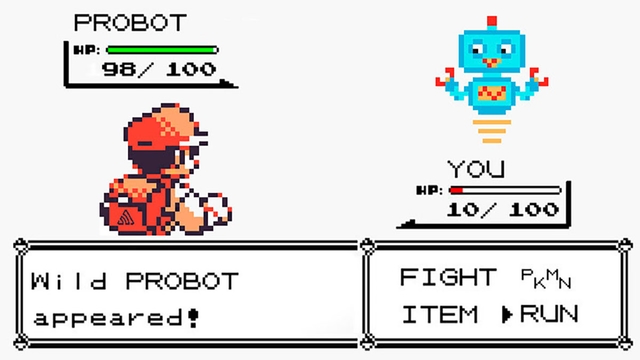
As our engineering team has grown, it’s become harder to manage and maintain all our repositories on GitHub. Lucky for us, a wild Probot appeared.