
Engineering
Your agent should understand what you see
Seer Agent now understands Sentry pages through structured semantic context instead of ASCII snapshots, cutting token usage by up to 85% while maintaining the same answer quality.

Seer Agent now understands Sentry pages through structured semantic context instead of ASCII snapshots, cutting token usage by up to 85% while maintaining the same answer quality.

When in doubt, start by adding a few targeted log lines. Here are best practices for using logs to make your application easier to debug.

After 1.6 million downloads, the Usage app team shares how they use Sentry's crash monitoring, error tracking, size analysis, and user feedback to stay ahead of Apple platform changes.


Picking a model for your agent is a tradeoff between cost, quality, and speed. Here's a free-tier model that made things up, what an eval would and wouldn't have caught, and why reading the agent traces is how you actually decide.


Next.js already creates traces for your requests. With @vercel/otel and a couple environment variables, you can export them to any OTLP-compatible backend.

Sentry's SDK team uses a Claude skill to automatically set up reproduction environments for bug reports, cutting hours of boilerplate setup to minutes.
Errors, traces, logs, and metrics overlap more than you'd think. An opinionated, practical guide to which signal to reach for, and why the choice decides what you (and your coding agents) can debug later.

Sentry replaced its legacy headless CMS with Astro, Markdown, and AI-driven automation — cutting build times from 14 minutes to under 4 and eliminating broken builds.
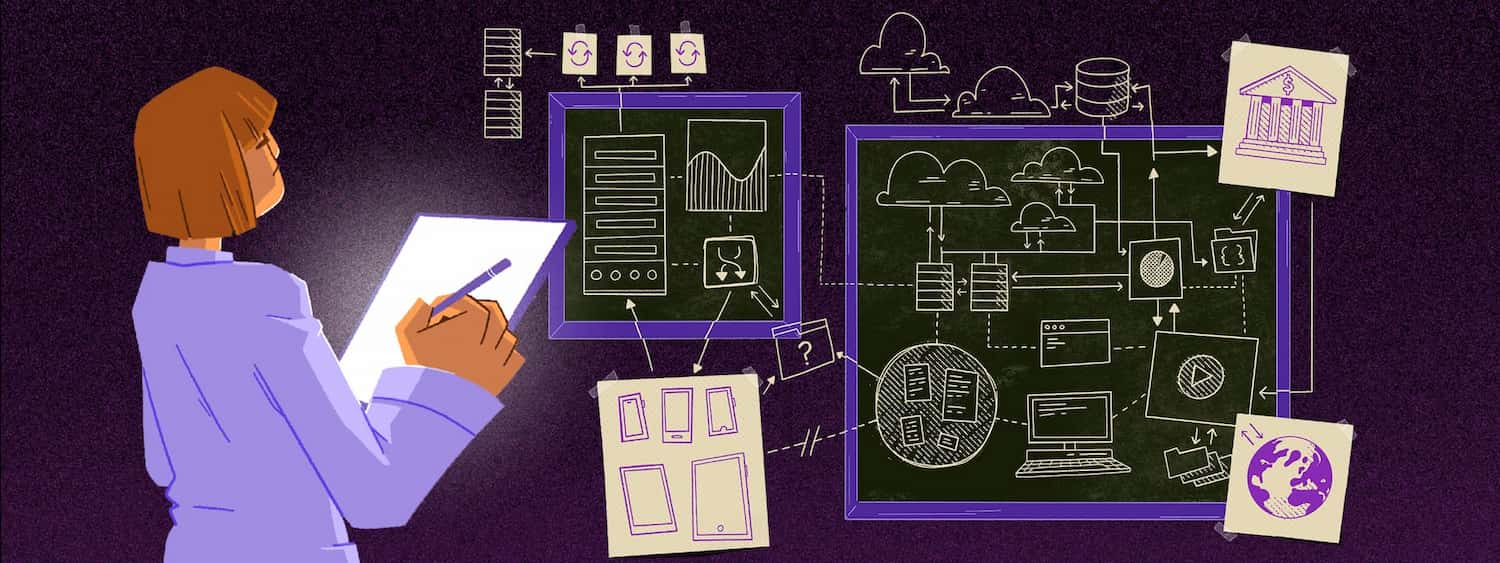
Teams with existing OpenTelemetry instrumentation do not need to choose between OTel and Sentry. Keep OTel on the backend, use the Sentry SDK on the frontend, and export OTLP events to Sentry.


The bottleneck for self-healing software isn't agent intelligence. It's that agents have no idea what actually broke in production. Sentry MCP and the CLI bridge that gap.

Supabase gives you query insights and logs, but it can't trace across your full stack. Here's how to connect Next.js, Supabase Edge Functions, and Postgres with distributed tracing, log drains, and AI-assisted debugging in Sentry.
Sentry is adding TracingChannel support to 44 JavaScript libraries upstream, replacing fragile monkey-patching with native observability that works across all runtimes.
Multi-agent AI systems fail silently. Learn what proper observability looks like when agents orchestrate agents, and how Sentry keeps you in control.

Monkey-patching in CJS and module hooks in ESM both instrument libraries from the outside. Tracing Channels let libraries emit their own telemetry — and the ecosystem is already moving.

When an agent's tool call silently degrades the input to a completely different agent two steps later, standard monitoring won't catch it. Here's how to find bugs that live between agents.